Native gardendesign
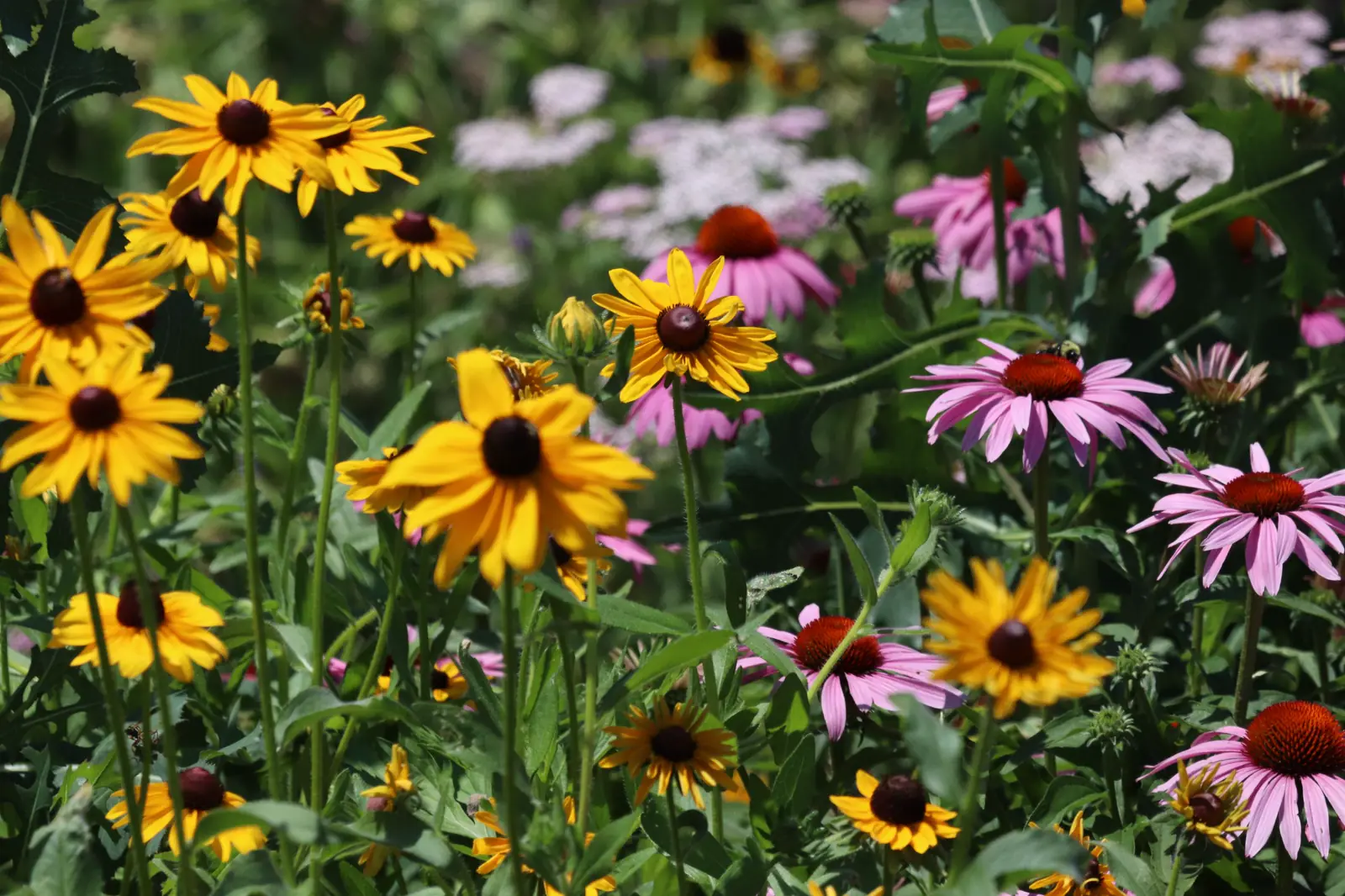
Woodland edges, meadows and rain gardens planned from your soil and your light. Every plant on the list has a reason, a size at year five — and a plan for the deer, who read our lists too.
Native gardens · hand-set stone · year-round care — Asheville, N.C.
We work on our knees, in the understory, with plants that were here before the house. Then we come back every season to keep it that way.
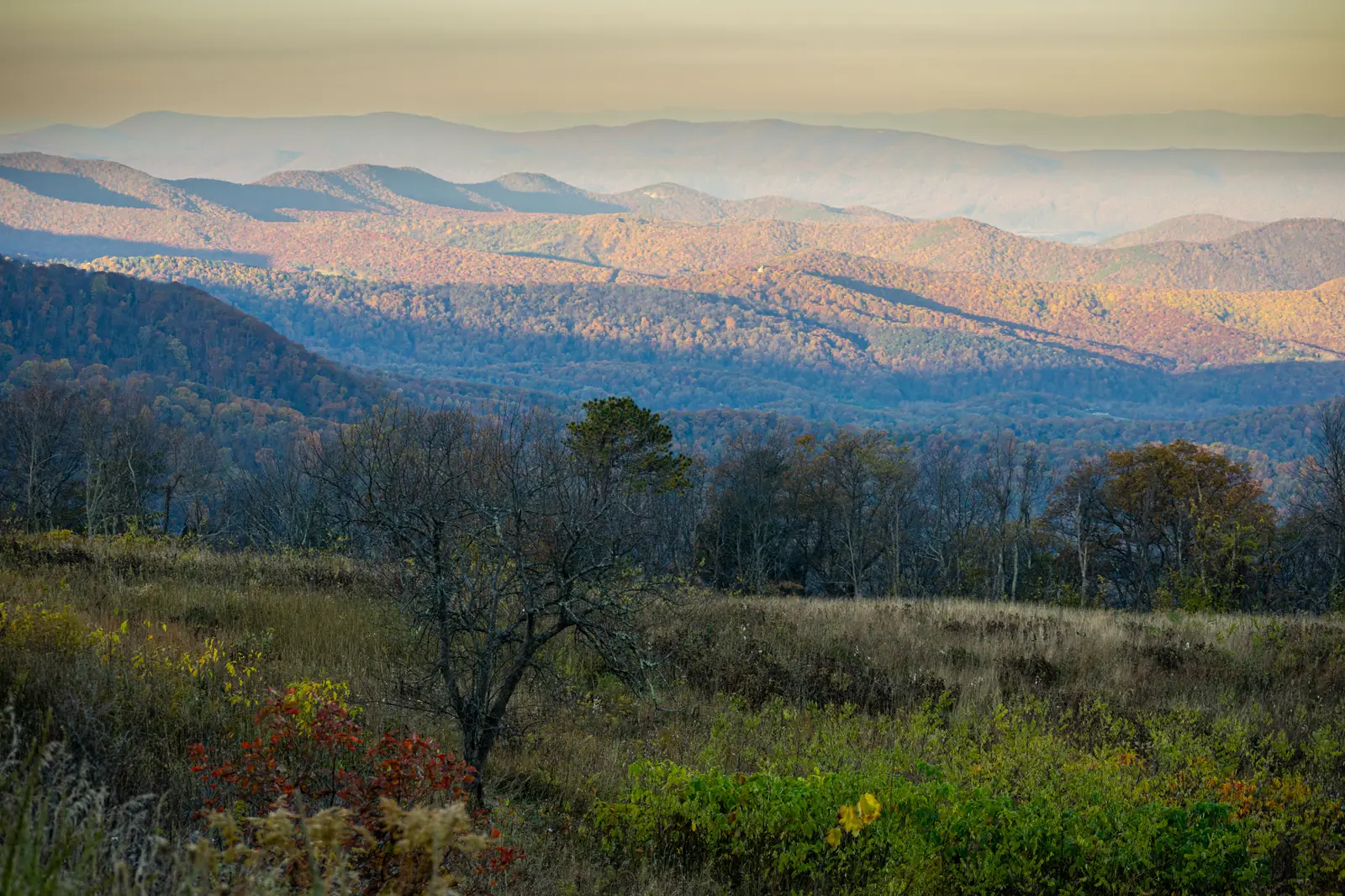
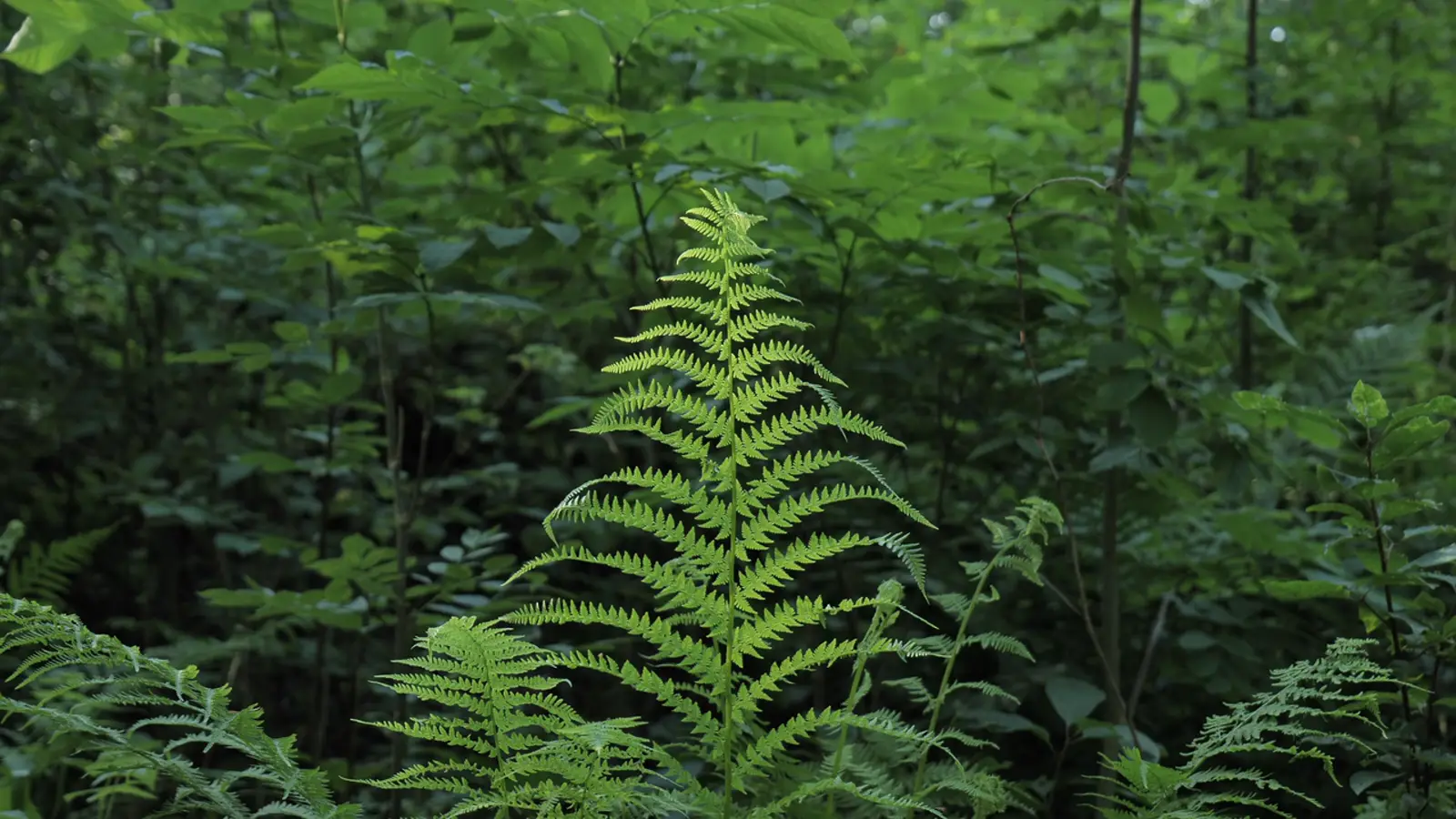
Book a site walk — $240 →Field footage · Pisgah understory, May
Field note 001 · how we start
A soil probe, a wet knee and one question: what does this ground want to grow? Then we plant that — and talk you out of the lawn you'll mow every Saturday for no reason.
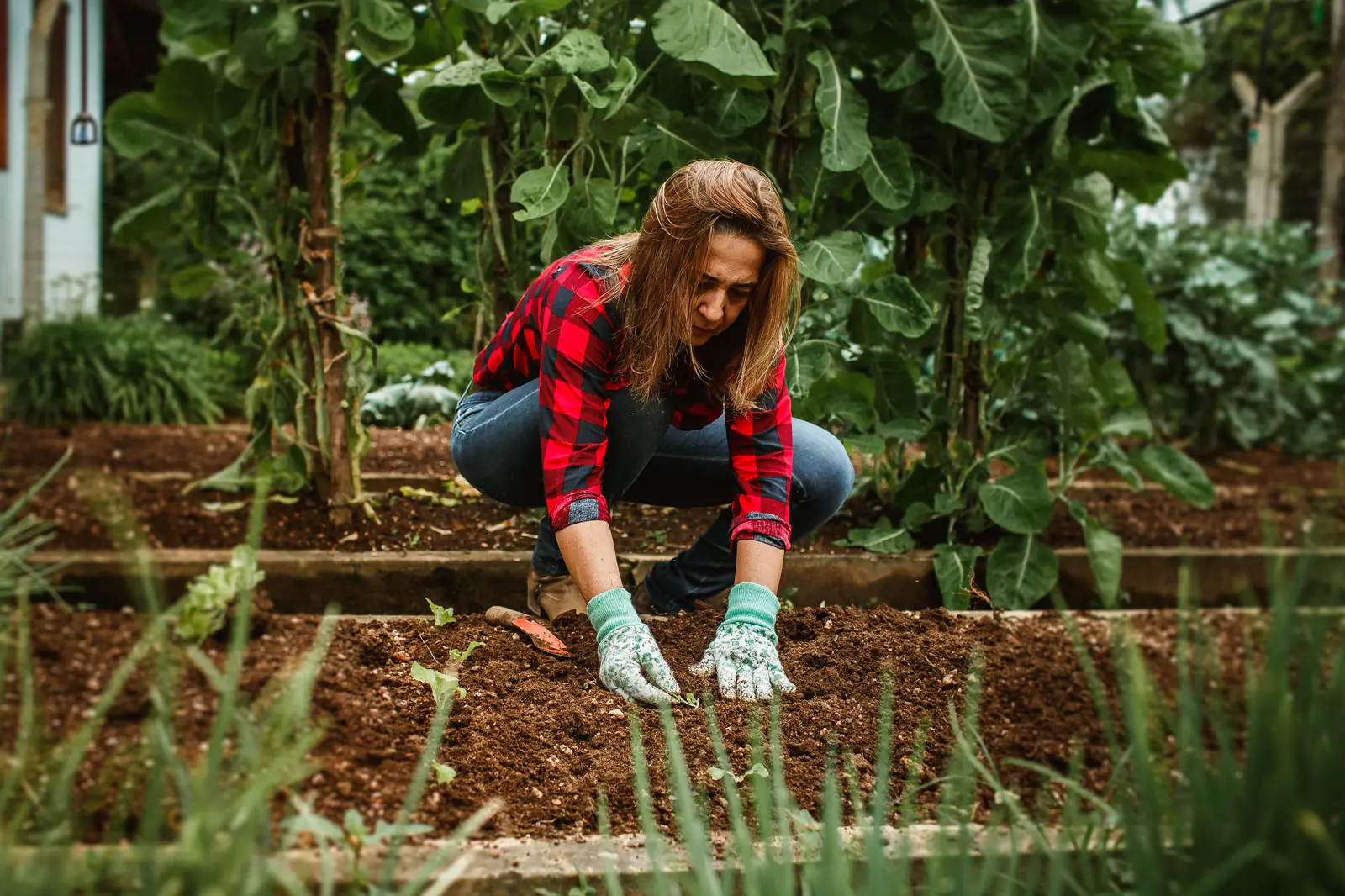
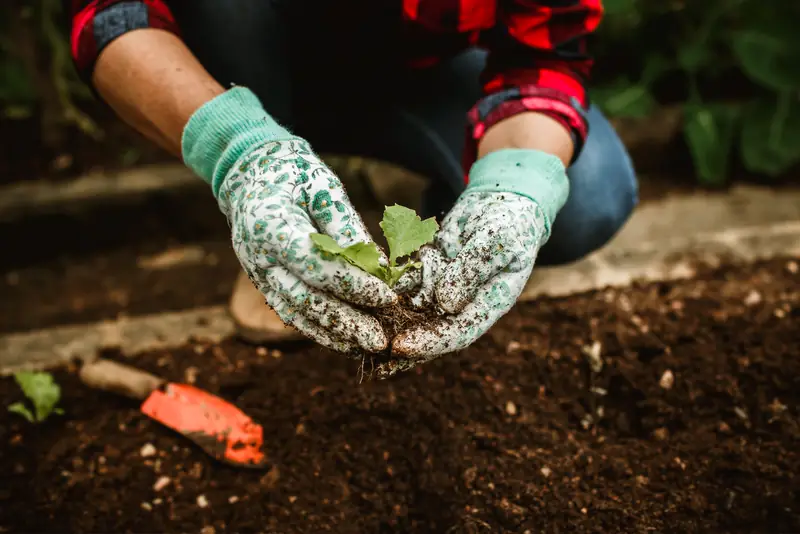
@plugs 212 ferns in one afternoon. We count.
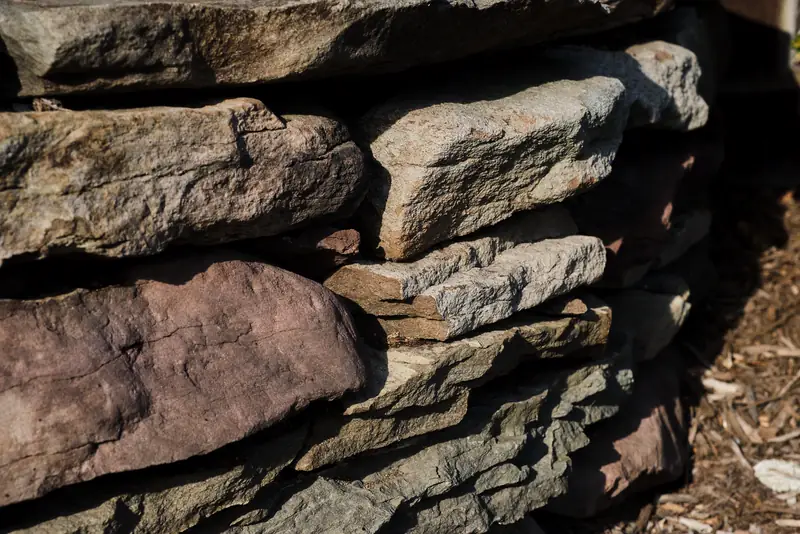
@stone Every stone lifted twice: once to try it, once to set it.
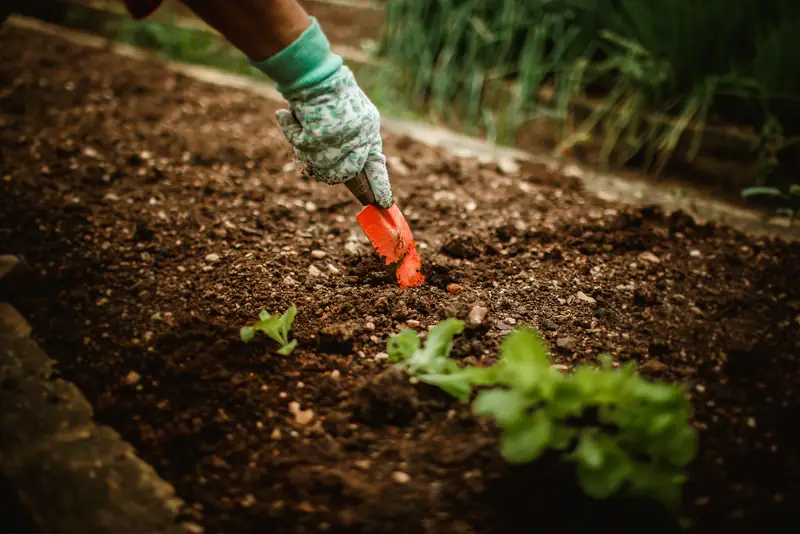
@trowel Every hole one hand wider than the pot. Roots notice.
Woodland edges, meadows and rain gardens planned from your soil and your light. Every plant on the list has a reason, a size at year five — and a plan for the deer, who read our lists too.
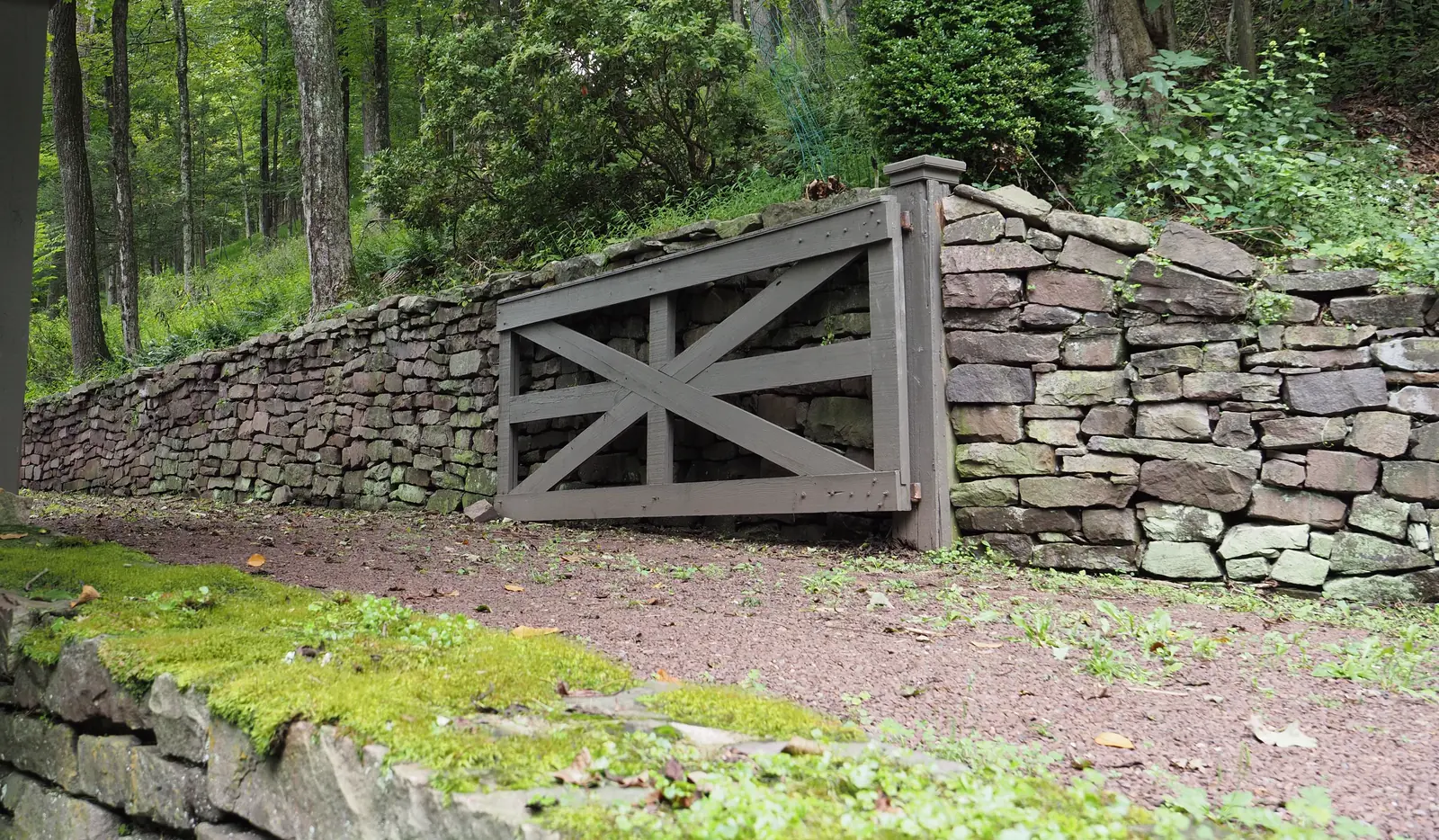
Local fieldstone, dry-laid by hand. No mortar to crack in a freeze — our walls settle, green over and get better with age.
Flagstone floors, low seat walls and a fire pit sized to your people — placed where the evening light actually lands. Marshmallow sticks not included. (They are.)
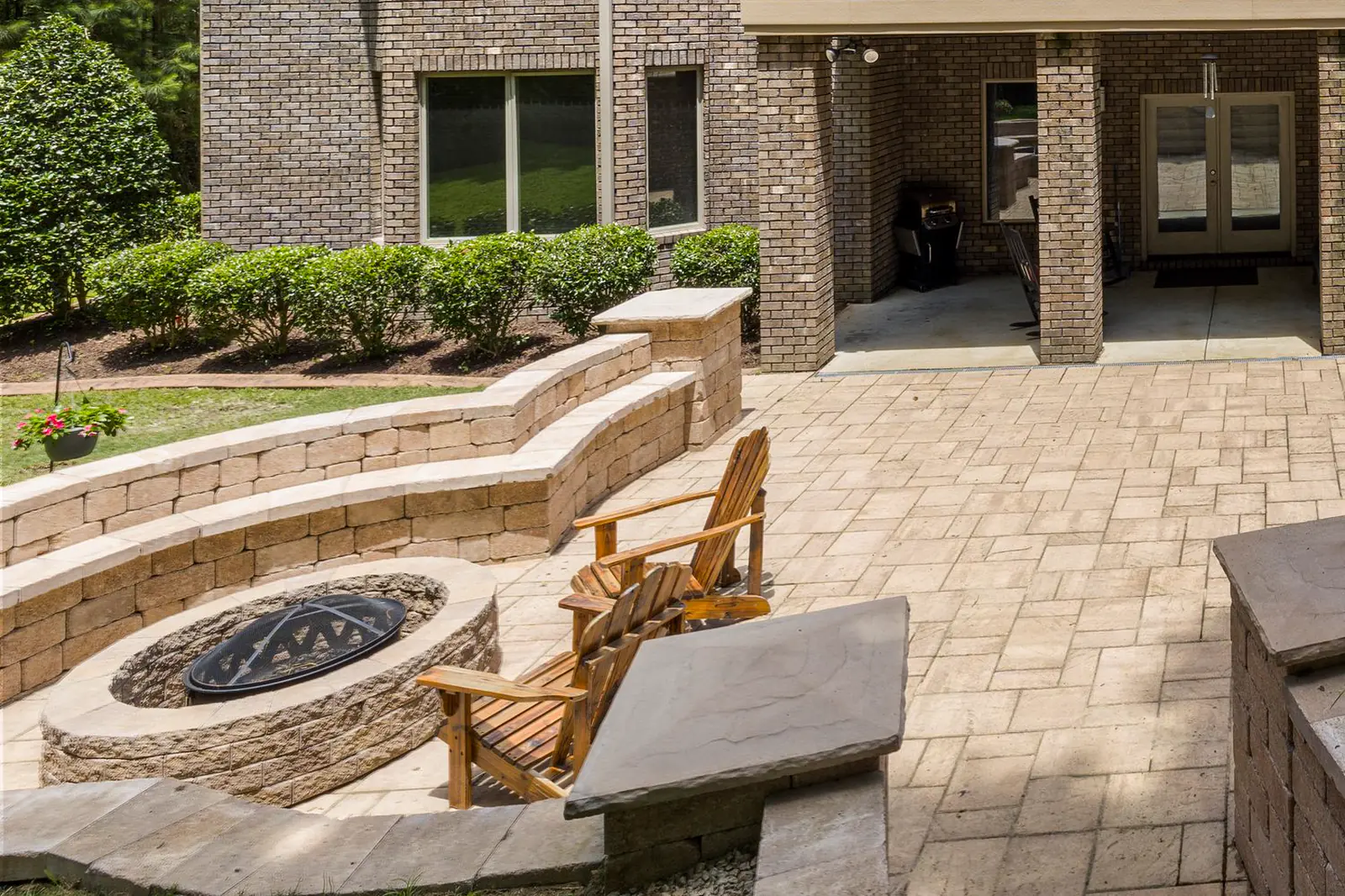
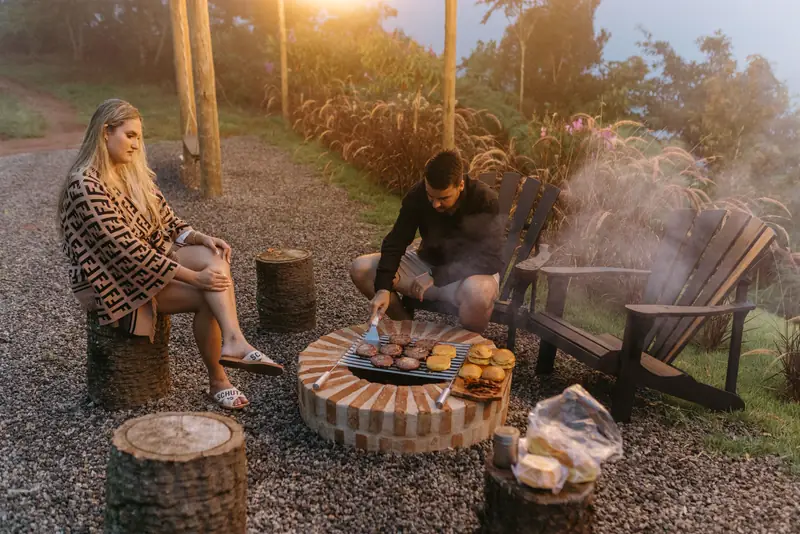
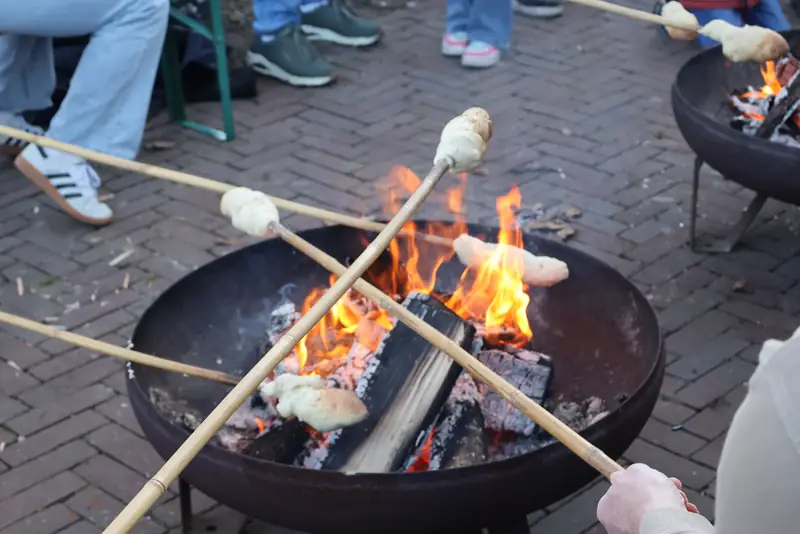
Weaverville rain garden · same bed
We plant small and close. It looks like a vegetable patch for one summer — then the natives knit together and the mulch disappears.
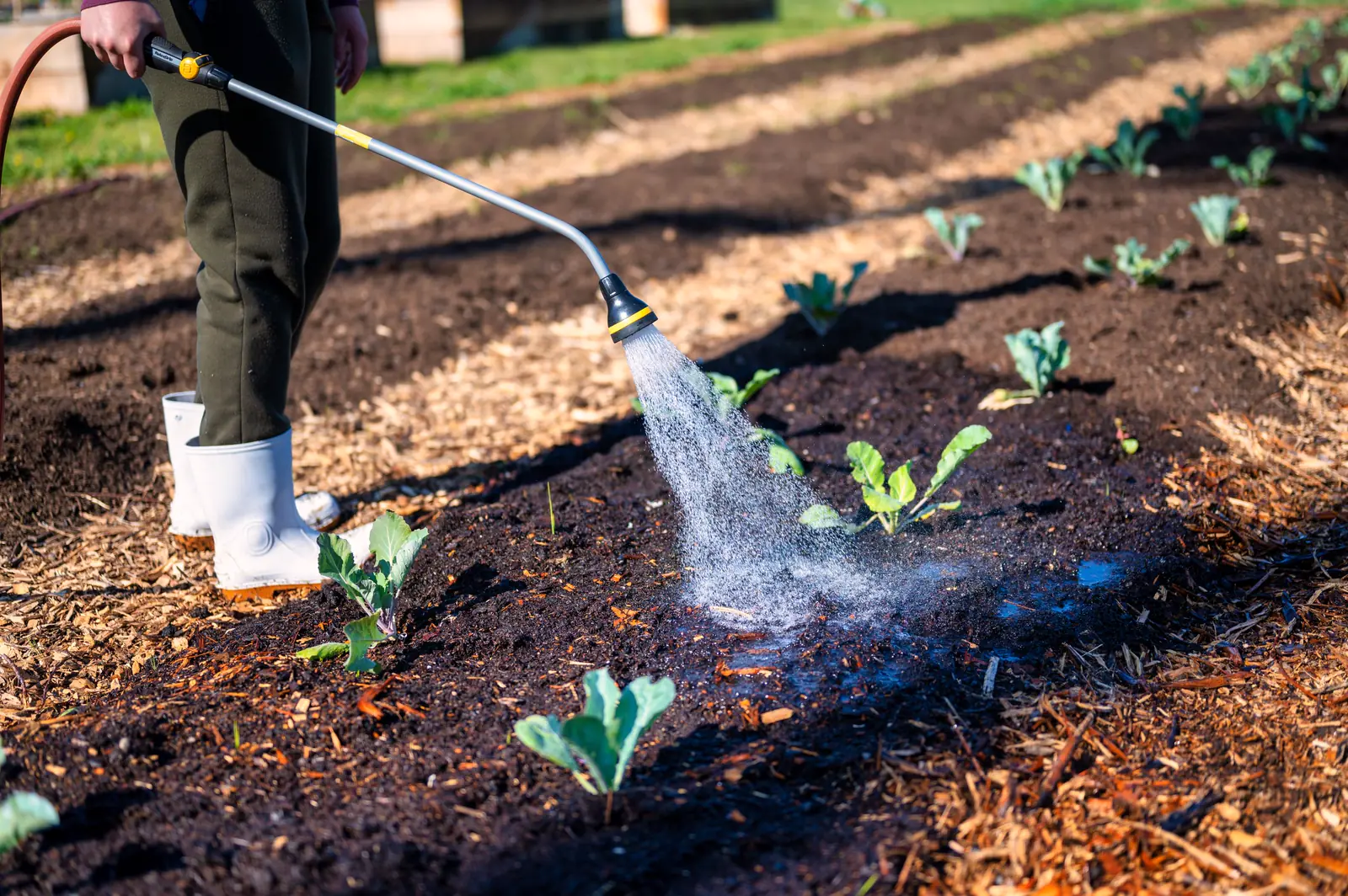
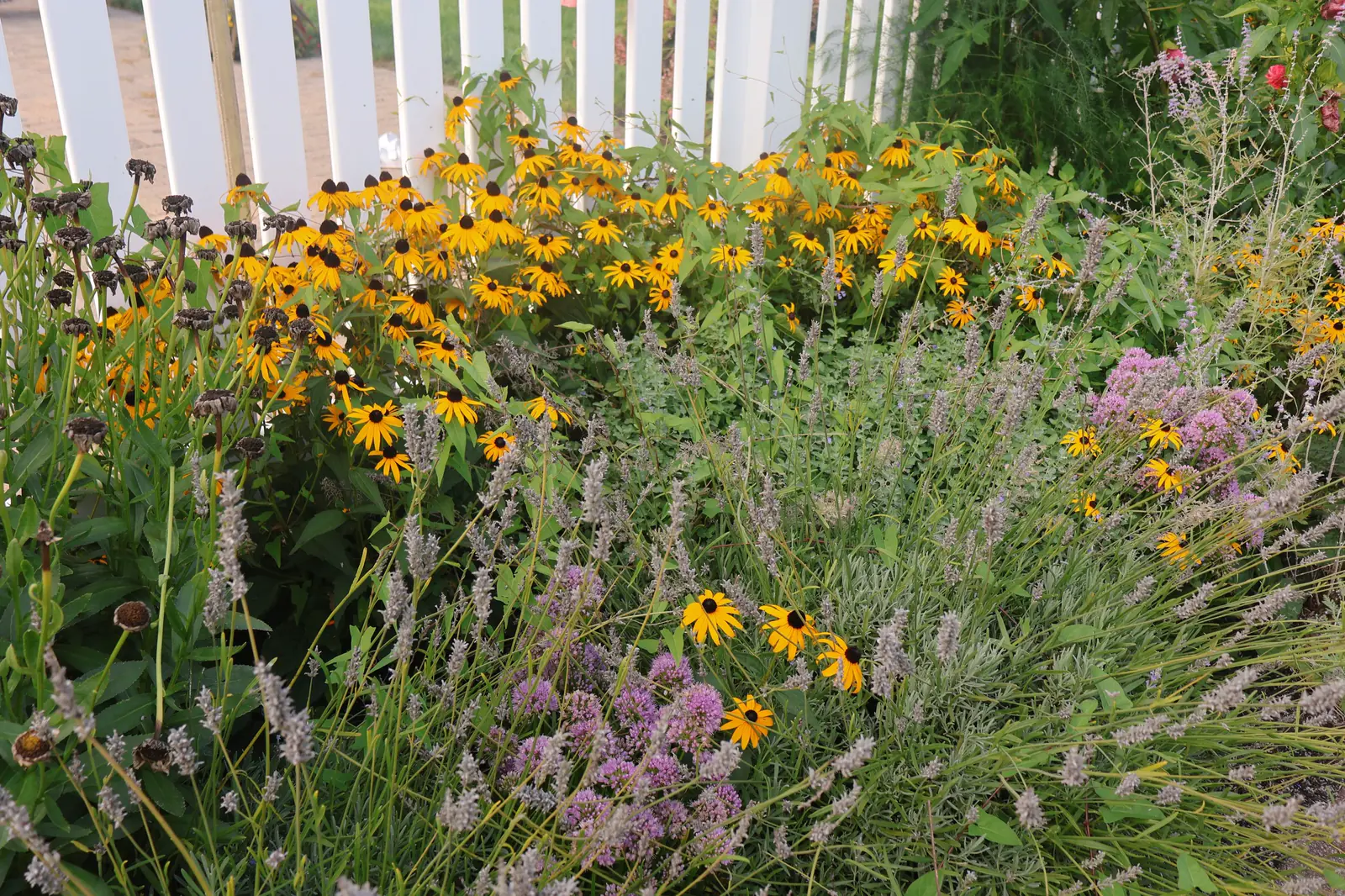
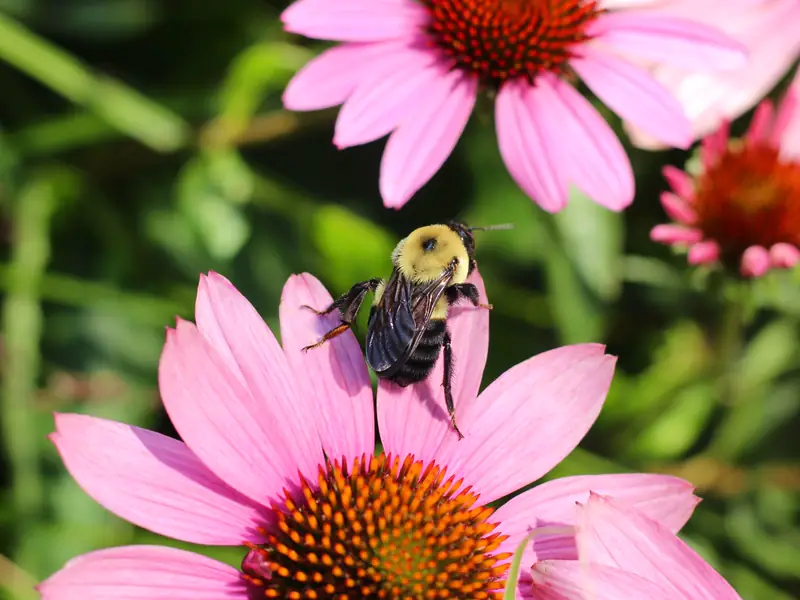
Twelve months, six gardens, one crew. Every one of them is still on our care calendar. Drag or scroll →
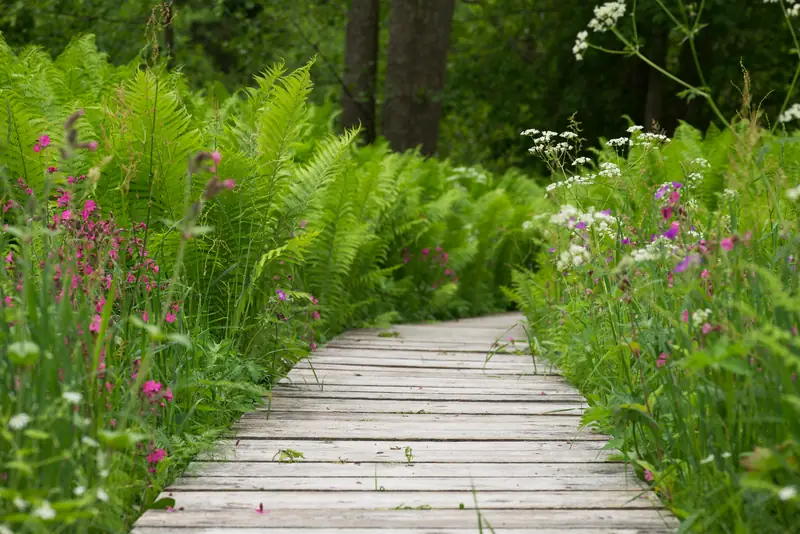
Understory planting · 212 plugs
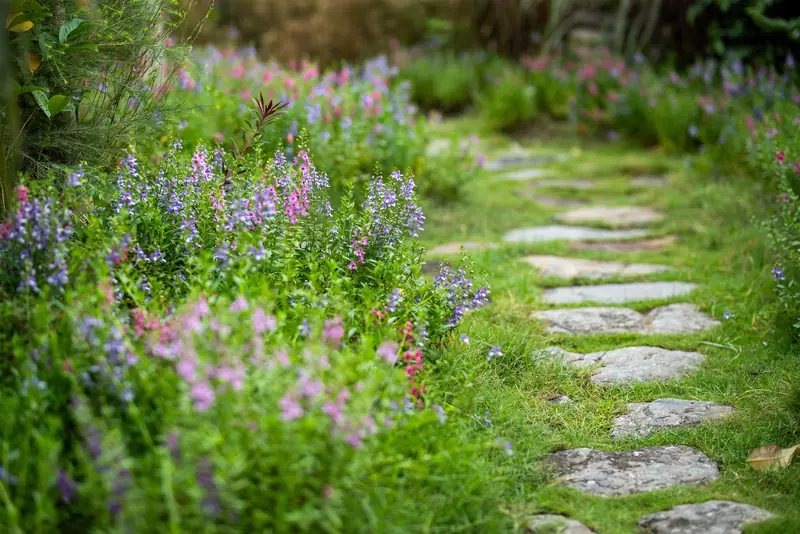
Stepping stones · lighting
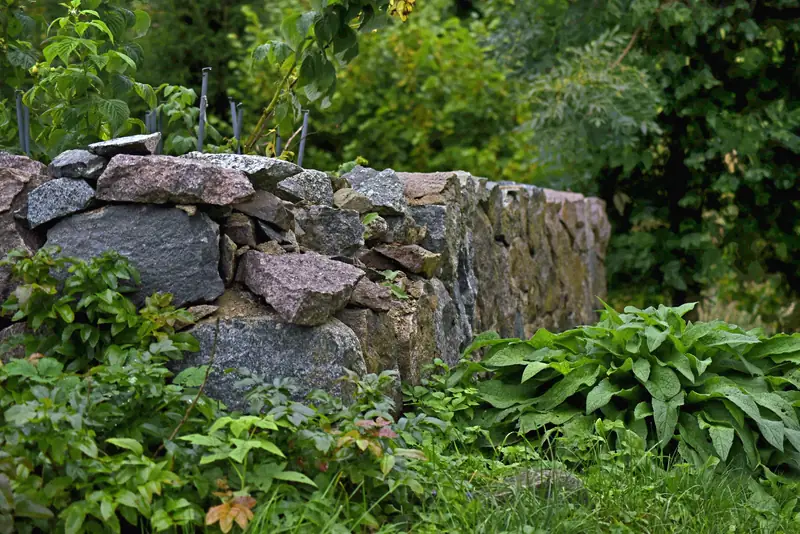
Dry-stack walls · 140 ft
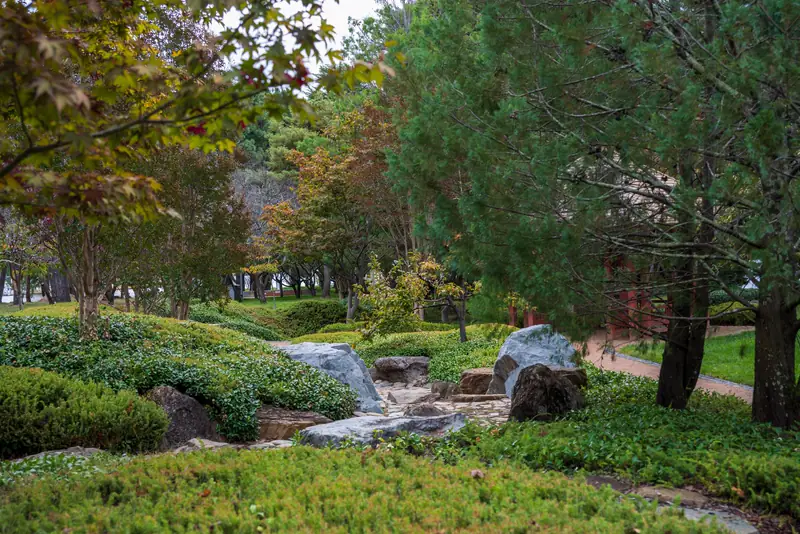
Stormwater basin · 38 species
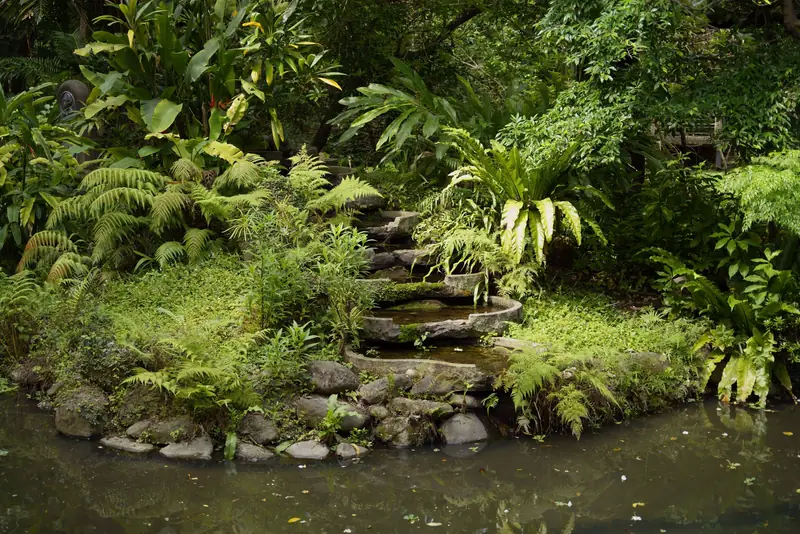
Stone steps · shade planting
Ninety minutes on site with a soil probe. We read water, light and what's already volunteering.
A hand-drawn plan with every species and why it's there. Two rounds of changes included.
Stone first, soil second, plants last — in the seasons when roots can settle.
The same crew returns each season and leaves a short note on what changed.
Native gardens get easier every year — if someone edits them at the right moments. That's us, with the same crew every visit.
$1,480/yr
Most gardens pick this
$260/mo
$420 once
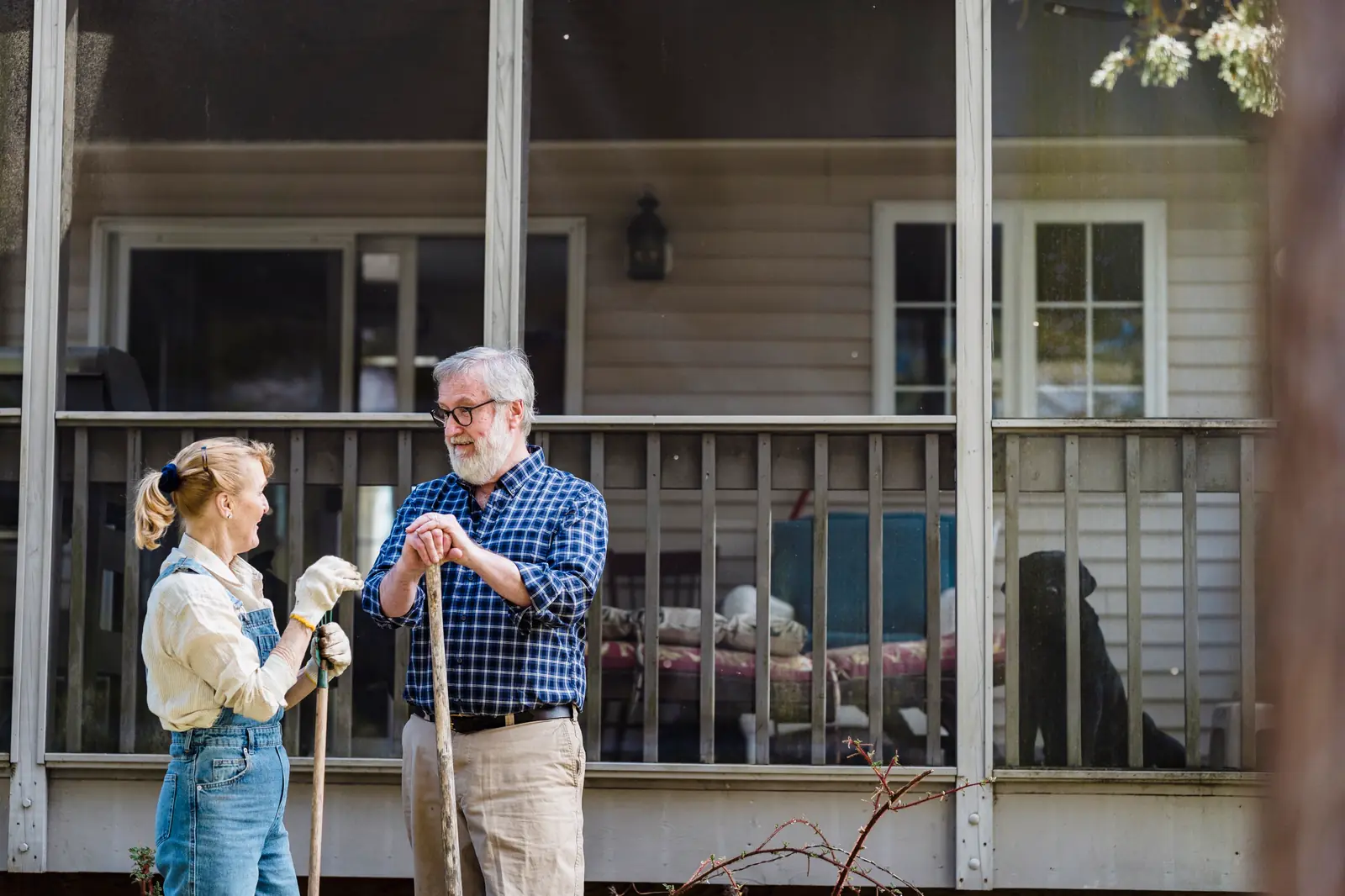
“It rained four inches the week they finished. The steps held, the rain garden filled, and the basement stayed dry for the first time in ten years.”
“They talked us out of a wall we didn't need, then built the one we did.”
“Our fire circle is the only room in the house everyone fights over.”
About 80% by plant count. We'll keep a heritage shrub you love — and never plant anything on North Carolina's invasive list.
Site walks year round. Planting happens March–May and September–November; stone work runs all year unless the ground is frozen.
Buncombe, Madison, Henderson and Transylvania counties.
Most design-and-build projects land between $12,000 and $45,000. A single meadow or rain garden can start around $6,500.
Ninety minutes, a soil test and a page of notes you keep either way. $240, credited to your plan if we build.
(555) 0142walk@fernhollow.exampleYard in West Asheville · by appointment